The 12 Most Obnoxious Types Of Users You Follow On Twitter


How Do Coffee Makers Drizzle?
A drip coffee maker is a great method to make a carafe of flavorful, strong java. It automates pour-over brewing, and can create up to 12 cups of coffee in one go. It also comes with programmable options and temperature control.
There's a reservoir for water on the base of the machine, which is heated by the heating element. The hot water is then pumped through the shower head, and into the filter basket.
Reservoir
The reservoir of a drip coffee machine holds water heated to a temperature between 195 and 205 degrees Fahrenheit. It flows from the water valve into the orange tube through the one-way valve and partially through the white tube. This allows gravity to force the hot water over the grounds in the brew basket. The brewed coffee then falls into the carafe. Some models employ hot plates to keep the carafe hot, but this can cause overflow and burnt or off-flavors in the cup.
The water reservoir in a drip coffee maker is removable for easy refilling and cleaning. The 40-oz reservoir allows you to make several cups of coffee without having refill it. It has a view of the water and the blue light on the water drop that indicates when to refill.
Some models feature filters that are removable and descaling tabs, making it quick and easy to clean the machine. This prevents the build-up of minerals and improves the performance of the machine over time. There are also models with options that can be programmed to allow you to customize your morning coffee to your exact specifications.
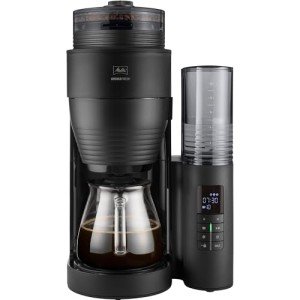
A drip coffee maker is a fantastic choice for anyone who loves the fresh taste of freshly prepared coffee. It's fast and convenient. filtered coffee machine Coffeee UK makes it a preferred choice for restaurants, offices and homes. Pour-over methods are more convenient and allow for better control of the process of brewing. They can also help to avoid problems like overflow. This type of brewing allows you to experiment with various grind sizes to create distinctive flavors. A proper grind size can result in an even extraction, which is crucial for consistency and flavor.
Tube
A coffee maker utilizes an uncolored tube to carry hot water from the reservoir to the drip area. This tube also has a hole in it that permits you to use cleaning solutions. Replace the tube if the hole becomes blocked. Regularly cleaning the tube can help prevent blockages. This will help prevent the water from boiling too fast and overflowing the basket.
The heating element heats the water inside the tube which is similar to a fast water stove. The coffee makers are so fast because of this! The hot water flows through the filter before flowing into the carafe. It is crucial to remove the carafe immediately after brewing and pouring it out, since leaving it in could cause the coffee to taste burnt and acidic.
Another popular coffee-making method is to use pods. It is similar to the drip coffee maker, but instead of using grounds, it makes use of pods ground prior to use. This method is preferred by many because it's more efficient and less difficult to maintain. Paper filters are harmful for the environment and waste.
A drip coffee maker is a well-liked option for home and office use because it produces an enormous amount of coffee with minimal effort. It is equipped with many features that make it simple to use, including auto shut-offs and self-cleaning cycles. Additionally, some models have adjustable brew strengths as well as built-in grinders. These features make them an excellent choice for anyone who enjoys the taste of freshly prepared coffee.
One-way valve
Coffee makers now can deliver hot water to the grounds in the ideal temperature range of 195-205 F more quickly than they have ever before. The grounds can reach the desired temperature earlier in the brewing process and can extract more flavor from less coffee. This allows for a shorter time to brew, reducing the amount of waste and energy consumption.
One-way valves are usually found in the reservoir hole and the tube that connects to the heating system in automatic drip coffee machines. These valves are typically comprised of a plastic ball and bead that can easily break or get stuck in the hole in the water tube. The creators of the valve discovered that a longer, columnar or pill shaped steel valve stop can be used in place of the conventional bead to increase the speed at which the coffee maker heats up and moves hot water through the tubes.
The coffee maker is constructed with a spout that is one-way and can be found in the reservoir's hole or in the aluminum heating pipe. This one-way tube valve allows cold water to pass through however, it also will force boiling water into the tube. The valve also stops air from entering the tube. This makes for a quicker, more reliable, and easier brewing process than with earlier models of coffeemakers.
The coffee maker's water is heated by a one-way valve, and shower heads that spray hot water over the beans. The water is then dripped into the cups below. The coffee maker produces four-cup batches each day, with the boiling water pumping cycle taking place every few seconds. The one-way valves, which are patented, are easy to replace and install.
Shower head
The shower head is an important element of the coffee maker. It ensures that the coffee grounds are evenly exposed to water, allowing better extraction and flavor. It also prevents a buildup of carbon dioxide, which can result in unpleasant taste in the coffee. The shower head can be adjusted to meet your preferences, and must be set on a level surface.
The device has a horizontal spray shower head that exposes the top layer of coffee grinds to hot water in a matter of seconds after brewing starts. This ensures a more even extraction and decreases the possibility of forming a cradle in the coffee grounds. The horizontal flow of water also helps prevent back-pressure on the heater 84 as well as the thermostat 82. This allows for a more precise control of the water flow rate and less cycling of the thermostat.
Another method to enhance the flavor of drip coffee is to adjust the grind size and filter type. Different grind sizes provide different flavors and brew profiles while different filters can enhance or mellow specific coffee characteristics. Also, selecting the correct brew temperature can affect the flavor of your coffee, too.
A quality drip machine should be programmable, so that it begins brewing at the time you prefer and has a simple interface. Certain models let you modify the strength of the brew so that you can create the perfect blend. Certain models come with a water-filter that can be removed, as well as a reservoir with a removable lid and a warming plate that helps keep the coffee at a perfect temperature. The shower head with a large size is an additional unique feature as it ensures an even distribution of the coffee grounds and the agitation to ensure consistent extraction.
Heating element
The heating element in a coffee machine is an important component. It heats water when it is poured into the machine and keeps the coffee warm following the pour. The heating element is located at the base of the machine. It's an aluminum extrusion containing a resistive heating coil and a tube that allows water to flow through. The heating element is controlled by the temperature of the coil. It has components like sensors and fuses that prevent the coil from overheating.
In a drip coffee maker, the heating element is responsible for heating the water to an ideal temperature (between the 195-205 degree Fahrenheit) that is needed for brewing. The water is then transferred via a tube into the shower head where it drips onto the coffee grounds. This is an important part of the process, because it kicks off the brewing process and makes sure that the grounds are evenly distributed.
Apart from the heating element another important component of drip coffee makers is the one-way valve. The one-way valve is located either in the hole of the reservoir bucket or in the tube leading from it. Without the one-way valve, boiling water could return to the bucket as it would rise up the tube. This valve is one-way and forces bubbles from boiling water to rise in the white tube.
FIG. illustrates the general layout of operating the coffee maker. 4. The power source 60, through the main switch 64 is connected to outlet lines 66. These lines also connect to the indicator lamp 68, as well as the secondary heater. The primary heater 42 is connected to the outlet lines and in series with the thermostat 44.